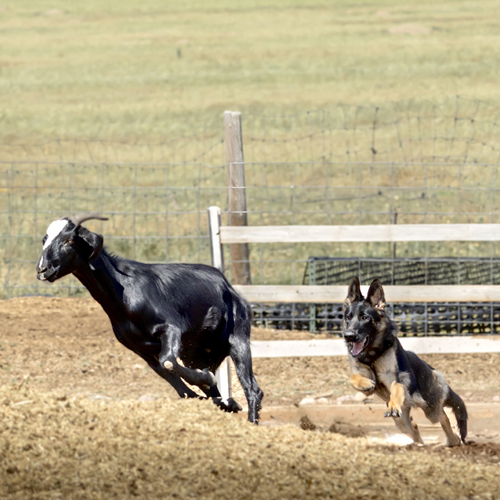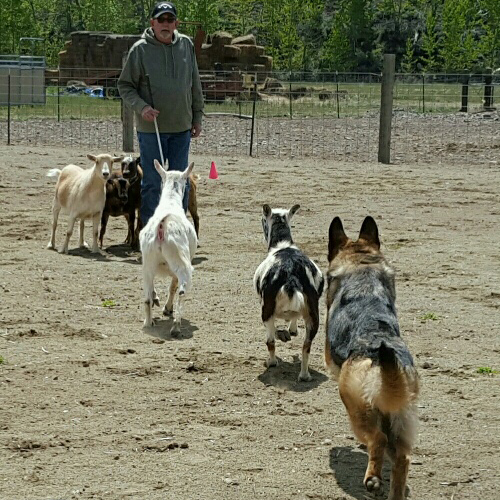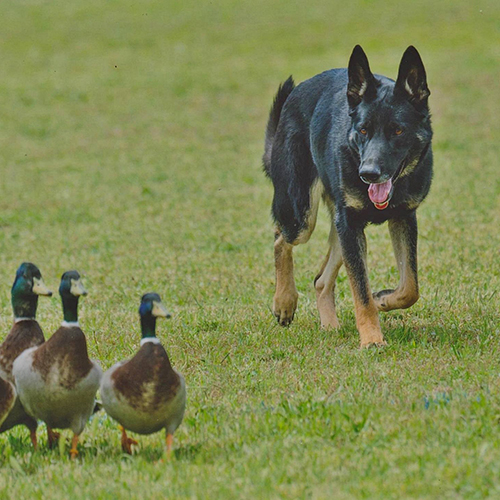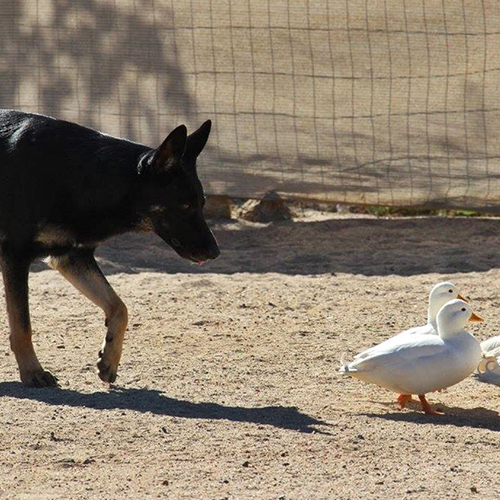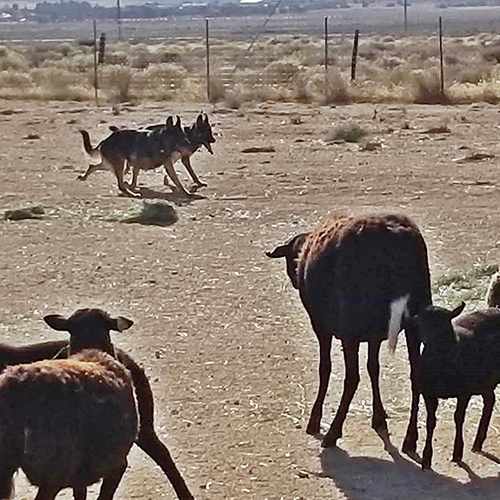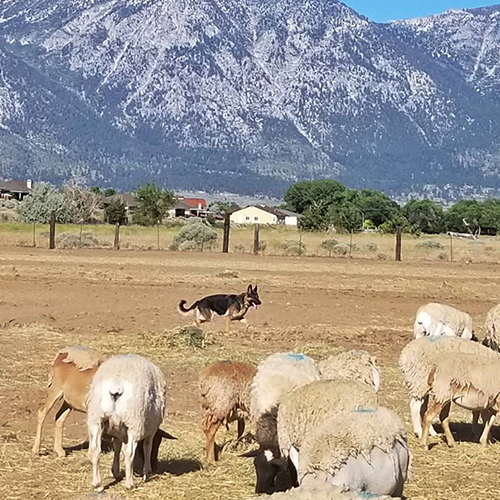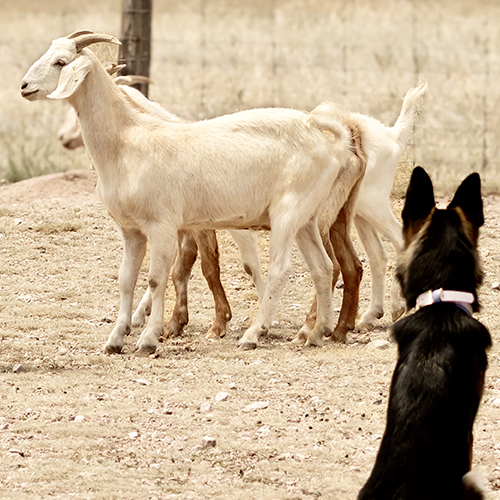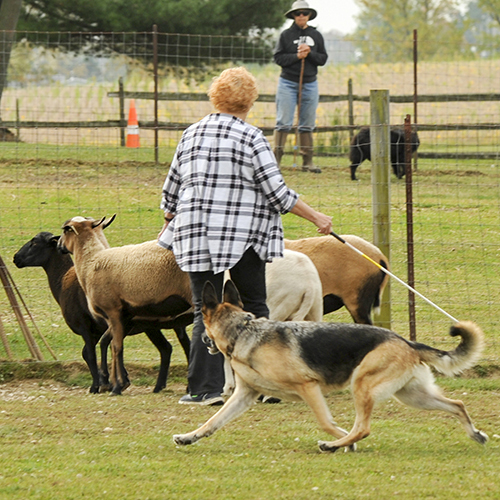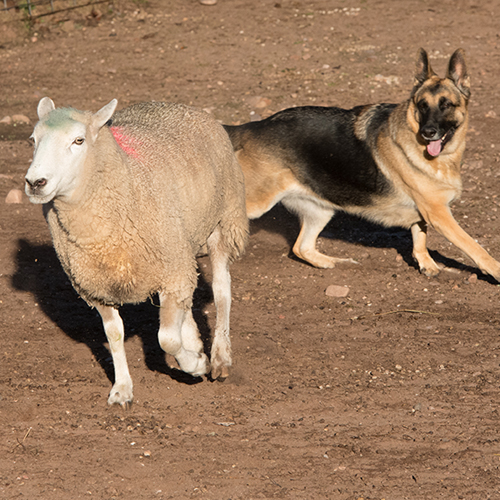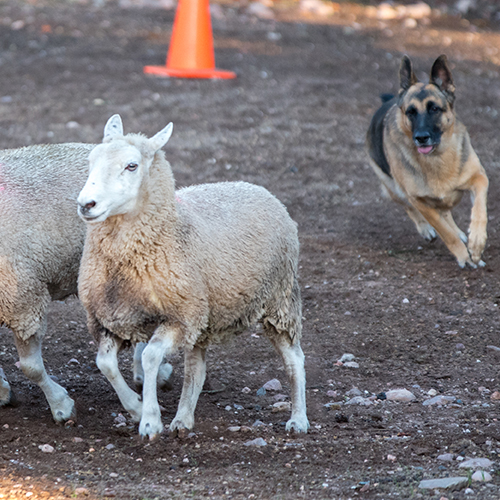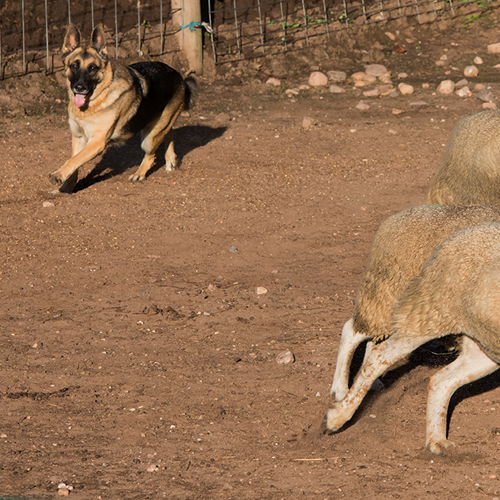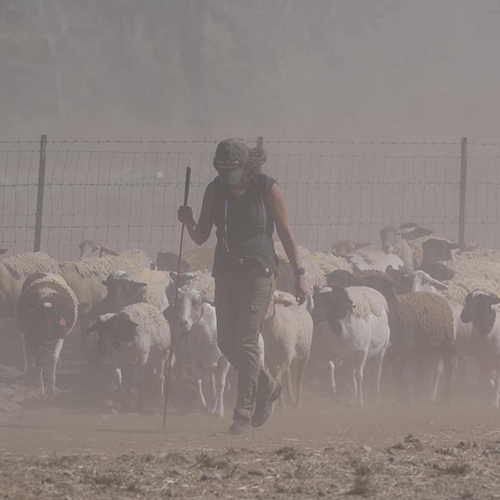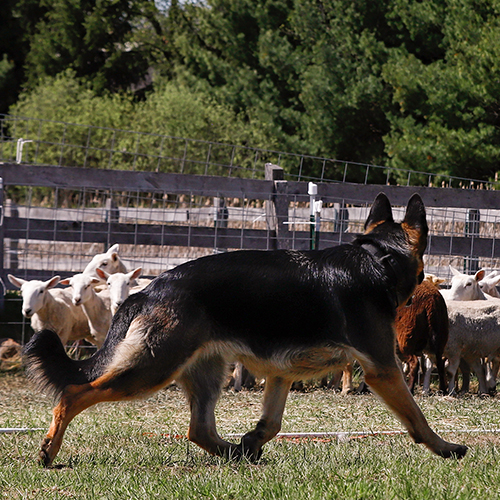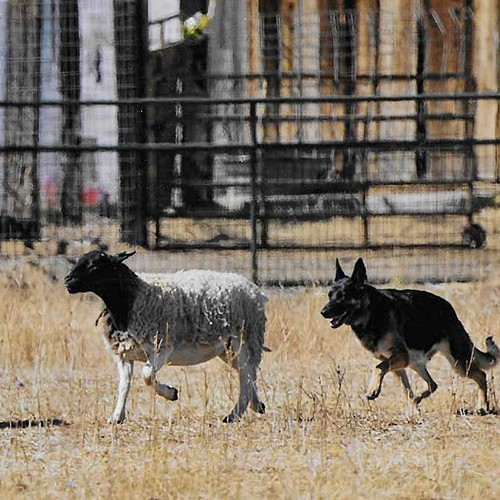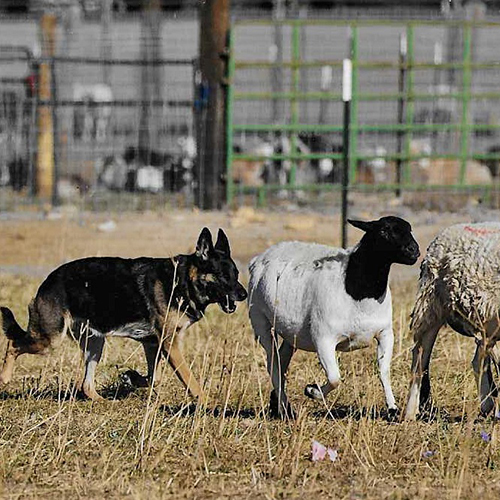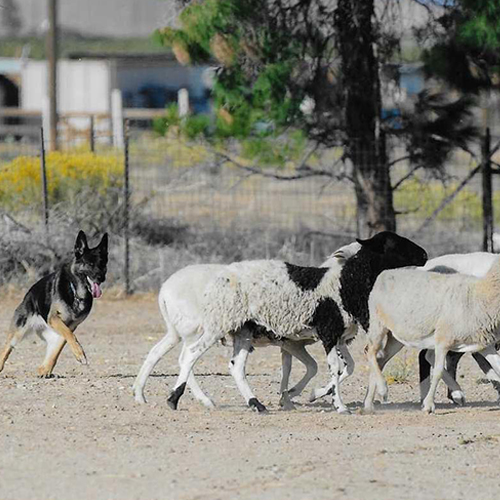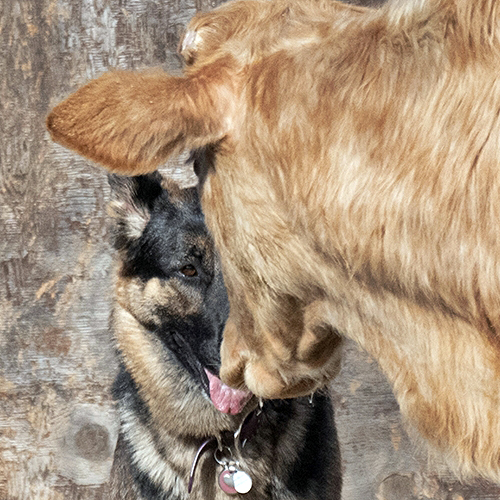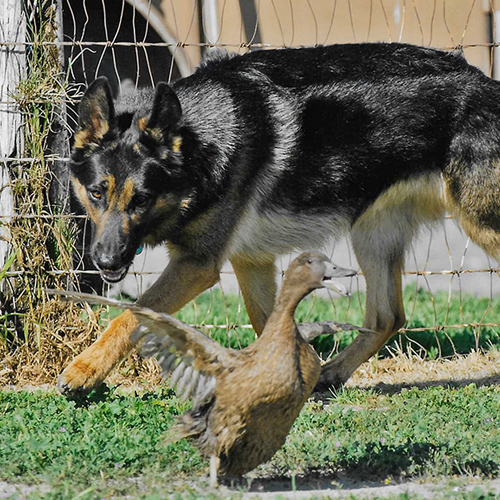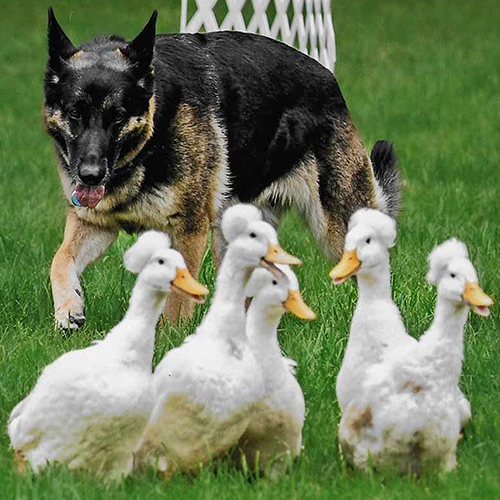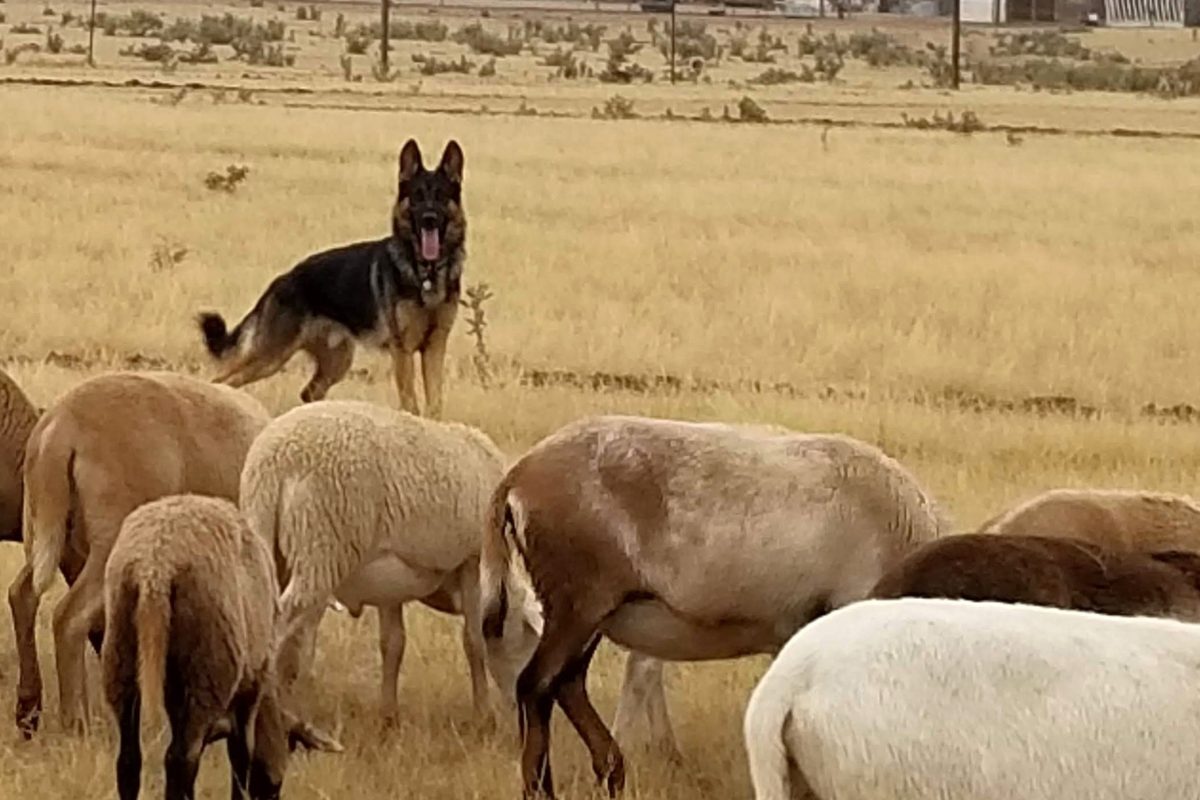
Herding is a captivating challenge that showcases the German Shepherd’s natural instincts, athleticism, drive, and intelligence — qualities deeply rooted in the breed’s heritage as a versatile, purposeful working dog from Germany. Noncompetitive herding tests offer German Shepherd owners a standardized way to evaluate their dog’s innate herding instincts and trainability, while competitive trials preserve and enhance the breed’s working abilities, simulating real farm and ranch scenarios to demonstrate the tasks they were originally bred for.
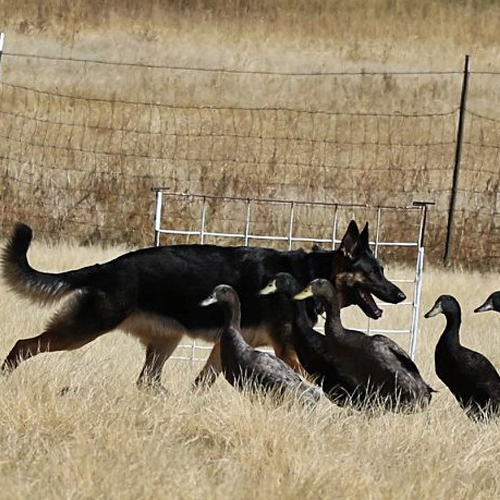
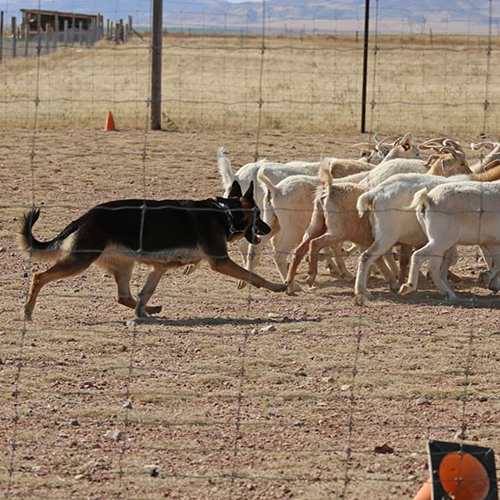
These activities highlight the German Shepherd’s remarkable versatility, requiring close cooperation with the handler while allowing the dog to use its own judgment and initiative. German Shepherds balance power and control when working livestock, making them outstanding herding partners. There is no mandated working style, so handlers can choose courses that best suit their dog’s strengths, whether on a working ranch, small farm, or a hobbyist’s property with sheep, goats, or ducks.
The German Shepherd Dog Club of America (GSDCA) and its local clubs are dedicated to supporting owners by providing training opportunities and livestock exposure to prepare German Shepherds for tests and trials. Participation in herding not only preserves the breed’s proud working heritage but also develops essential qualities such as trainability, focus, resilience, soundness of body and character, and partnership — attributes that make German Shepherds exceptional working dogs and loyal family companions.
Herding tests and trials, as sports, encourage good sportsmanship, reflecting the German Shepherd’s noble and cooperative spirit both in and beyond the arena. These activities open new doors for teamwork between handler and dog, strengthening their bond and celebrating the German Shepherd’s legacy as a versatile, intelligent, and dependable companion — whether working livestock or thriving as a beloved family member.
Getting Started with Your German Shepherd
Your first step is to request a rulebook from the American Kennel Club (AKC) to understand the requirements for you and your German Shepherd at these events. You can have it mailed, pick one up at an event, or download it from the AKC website. While awaiting your rulebook, connect with the GSDCA or a local herding club via the AKC club search tool to begin your journey.
Instinct Test for German Shepherds
The initial Instinct Test is designed for herding breeds like German Shepherds. No prior training is needed, and the test can be handled by the judge, owner, or a designated handler. The judge evaluates the German Shepherd’s ability to move and control livestock through fetching or driving — skills that reflect the breed’s strong working heritage. Review an actual HI Evaluation Form for details.
Early Training for Your German Shepherd Puppy
Start early with your German Shepherd puppy by encouraging them to chase toys, then teaching them to stop on command. Use a favorite toy — toss it and have them stay — turning the chase into a structured game. Introduce your young German Shepherd to a facility with livestock and pens, helping them learn to listen and work with you in that environment. Every German Shepherd is unique: some need encouragement and confidence building, while others need to learn focus amid livestock activity. With patience and consistency, you’ll guide your German Shepherd to master the game.
GSDs in Herding
by Diane Wright
Unlike agility or obedience, it can be challenging to locate a herding instructor in your area.
The most common working stock dogs are Border Collies, so chances are, if the there is herding in your area, it’s being done with Border Collies rather than German Shepherd Dogs.
While both BCs & GSDs are sheep-herding breeds, the similarities pretty much end there. Border Collies are small, agile dogs, built for quick bursts of speed and sudden stops. German Shepherd Dogs are larger animals, built to trot. BCs are an ‘eye breed’, which refers to the characteristic stalking posture displayed working. Australian Kelpies & some Australian Shepherds also display ‘eye’. Most herding breeds, including GSDs, are referred to as ‘upstanding’, meaning they don’t crouch or slink. Upstanding dogs don’t seem to ‘feel’ the stocks’ flight zone the way eye breeds do.
Herding & Tending
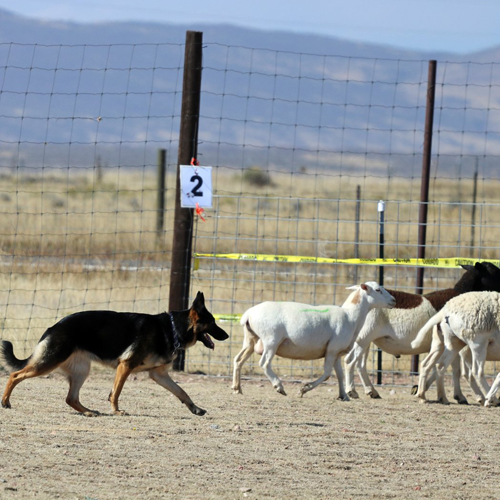
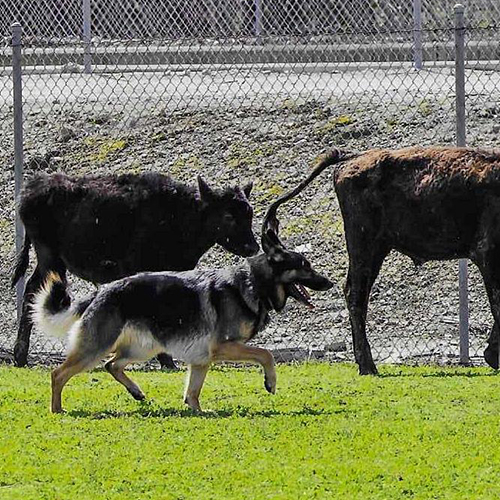
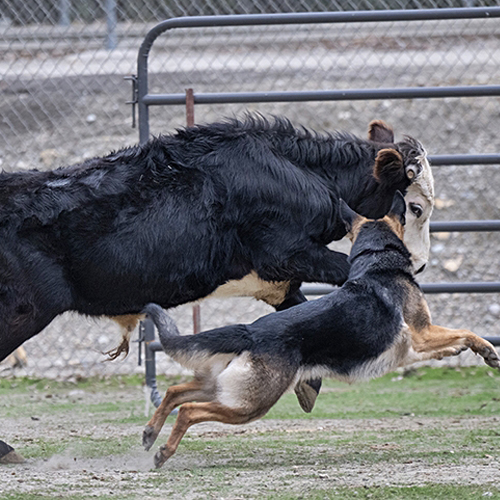
Herding is the catch-all term for working stock. You can herd without a dog or from horseback (with or without dogs). Here herding is defined as the practical, farm dog, chore work: gathering, moving & sorting sheep. There are two approaches to herding: fetching & driving. In simple terms, fetching sheep brings them to the handler, driving sheep pushes them away. A dog sent into a field to gather (round up) the stock and bring them to the handler by the gate: fetching. A dog pushing dairy cattle out of the milking barn to their pasture: driving. In AKC’s herding program fetching or driving dogs are entered on A or B course.
Tending is different. Tending dogs are used to move, feed and protect the flock. It’s a livestock management type of herding historically done by GSDs (Belgians & Briards). Before the industrial revolution, shepherding was a full time job, moving the sheep from place to place daily to graze them in harvested or vacant fields, government land, roadsides, where ever grass grew. There weren’t fences to contain the sheep, that was the dog’s job. The dog protected the sheep from predators, by patrolling a border (natural or man made) and prevented the sheep from eating or trespassing in other areas. At the end of the day, the dogs gathered the sheep out of the pasture and following the shepherd, lead the flock home for the night. Tending dogs compete on C Course.
The big consideration in locating a herding trainer in your area, what constitutes ‘your’ area? It might be that you’re a lucky one who has a commute of less than an hour to the farm. Many people drive hours, one way, to work with an instructor. I believe your area is more mindset than miles. If you really want to herd, a drive won’t stop you! Local tending instruction might be the most challenging to find, as it’s not as common (Border Collies don’t do it). Fortunately, it’s almost insanely easy to teach once you figure out how.
With my first GSD, I trained & trialled on A Course, in which 3-5 sheep are moved around an obstacle course in a specific order. That was the type of herding training available in my area. (I was lucky, it was just a twenty minute drive to the farm! Of course nothing’s perfect, there weren’t any AKC trials held in my state or the states adjacent to me.) Now I have my own sheep and train & trial on C Course, but some things never change, there still aren’t any trials in my state or any adjacent state!
Diane Wright lives in Battle Creek, Michigan. She has trained & trialled two GSDs to their Herding Championships. HC Pa-Gair’s Kaiserin Chelsea CD, HX earned all her championship points from A course on sheep. Current dog Jack, HC Windy Acres’ Quintessential HX, is a C Course dog. Questions? Comments? Email Diane at Diwri@yahoo.com
Photo courtesy of Dania Karloff, Lanalee Law, and Julie Degan.